FACT-FINDING — PROFESSIONAL SURVEILLANCE
Documenting facts when suspicion is not enough
Do you keep feeling that someone is not telling the whole story? That uncertainty can make an important decision difficult. Professional surveillance may clarify activities, movements and contacts during carefully selected periods, helping you move forward on recorded facts rather than suspicion.
Licensed private investigation agency · POB 1758 · Surveillance throughout the Netherlands
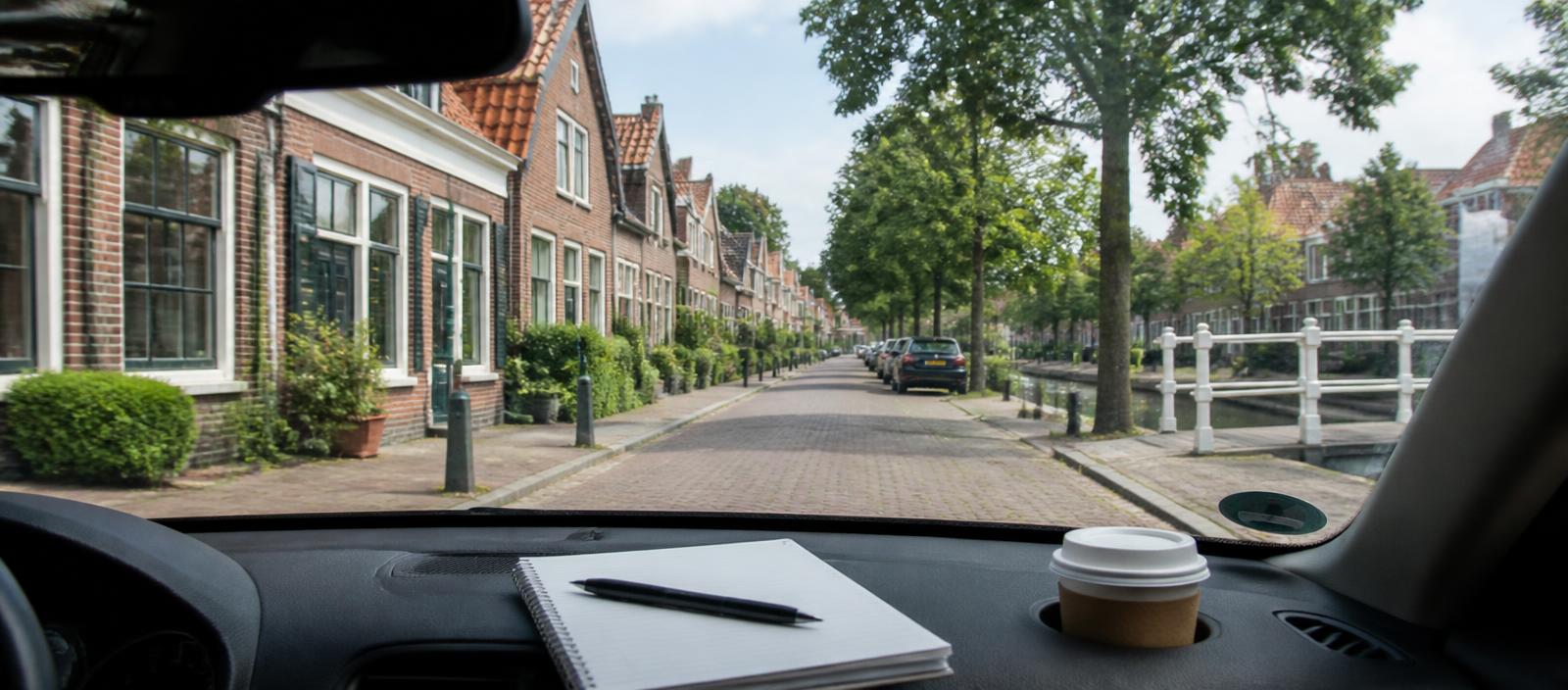
Dutch Detective Agency conducts surveillance unobtrusively and records relevant observations in chronological order. You receive a clear report containing facts, times, locations and, where possible, supporting visual material.
When surveillance can help
Investigating a matter yourself often leads to unclear conclusions, recognition or an unnecessary confrontation. An experienced investigator knows what to look for and which observations are relevant. Surveillance may be used in matters involving:
- suspected fraudulent sickness absence;
- possible secondary employment during a job;
- concerns regarding the activities of a field-based employee;
- a possible breach of a non-compete or non-solicitation clause;
- internal fraud, theft or misappropriation;
- suspected cohabitation in an alimony matter;
- suspected infidelity.
What surveillance can establish
Surveillance is not an objective in itself; it must help answer a specific question. Depending on the circumstances, it may provide factual insight into arrival and departure times, public locations visited, activities, movements, meetings and recurring patterns of behaviour.
The investigator reports only what was actually observed; suspicions are not presented as facts. Surveillance does not establish a medical diagnosis or independently determine whether someone is unfit for work.
How a surveillance investigation works
Surveillance requires preparation, awareness of the surroundings and the ability to anticipate unexpected movements. The process follows a few clear steps:
- 1. You explain the situation by telephone or email; an in-person appointment is not required.
- 2. We assess feasibility and whether surveillance is the most appropriate method.
- 3. You receive a proposal covering the approach, expected deployment and costs.
- 4. Surveillance is conducted from public or lawfully accessible locations.
- 5. You receive a chronological report, supported by photo or video material where possible.
A clear and discreet report
The report states what was observed, when and under which circumstances, with a clear distinction between fact and interpretation. It can be discussed with a lawyer, adviser or employer.
Dutch Detective Agency conducts surveillance as unobtrusively as possible; the subject is not approached unless agreed in advance. If you use the report in a legal dispute, its contents may need to be shared with the other party.
Choosing the right moments makes the difference
Surveillance affects a person's privacy and is only used where there is a legitimate, proportionate interest. It is most effective when based on specific information, such as known working hours, routines or addresses. A relevant observation can never be guaranteed in advance; if the anticipated activity does not occur, this is stated clearly in the report.
Would surveillance provide clarity in your situation?
Send us a brief description of the situation and what you need to establish. We will confidentially assess whether surveillance is possible, appropriate and feasible, and give you advance clarity on approach, timing and cost.
Available by telephone and digital channels 24 hours a day, seven days a week.
Frequently asked questions
- When can surveillance be used?
- Surveillance may be used when there is a specific investigation question and a legitimate interest. Examples include suspected fraudulent sickness absence, secondary employment, internal fraud, infidelity or cohabitation relevant to an alimony matter.
- What is recorded during surveillance?
- We factually record relevant activities, movements, locations, times and contacts. Where possible and permitted, the report is supported with photographic or video material.
- Is the subject told that surveillance is taking place?
- The subject is not normally approached during the surveillance. Whether information must be disclosed later depends on the purpose, applicable rules and any use of the report in legal proceedings.
- Can a surveillance report be used in legal proceedings?
- A carefully prepared factual report can be provided to a lawyer or legal adviser and submitted in proceedings. The court ultimately determines the meaning and evidential weight of the findings.
- Is one day of surveillance sufficient?
- This depends on the investigation question and the activity that needs to be established. One carefully selected period may provide clarity, while other situations require observations on several days to document a pattern.
- Can surveillance begin quickly?
- Once the reason, necessary information and practical circumstances are clear, deployment can often be arranged quickly. The actual starting time depends on feasibility, preparation and available capacity.
- How much does a surveillance investigation cost?
- The cost depends on the number of surveillance hours, the required dates, locations, travel and any additional investigative work. You receive a clear proposal before the investigation begins.
Other investigations
Investigation into suspected insurance fraud in the Netherlands
Does a claim raise questions while what actually happened remains unclear? Conflicting statements can delay decisions and place trust under pressure. Dutch Detective Agency establishes the relevant facts through focused investigation and provides an objective report.
Concerns about integrity? Establish the facts before the damage increases.
Suspected misconduct can seriously affect trust within an organisation, particularly where confidential information may have been shared, personal interests appear to influence decisions or an employee may be misusing their position.
Theft or fraud within your organisation? Establish the facts.
Are goods, money or other company assets disappearing without a clear explanation? Or do you have concrete indications that an employee, supplier, visitor or other person is misusing access to your organisation?
You are welcome to discuss your situation
Outline your situation. We respond as soon as possible and are available by telephone and online 24 hours a day, 7 days a week.
Please do not attach sensitive case documents or medical data to a first message. Outline your situation; we continue through a secure route.